THE ART OF EYE REJUVENATION: INSIDE EYESTHETICA’S APPROACH TO OCULOFACIAL PLASTIC SURGERY
EGW LUXURY MAGAZINE
FEATURE | ARTICLE BY CHARIS MICHELSEN
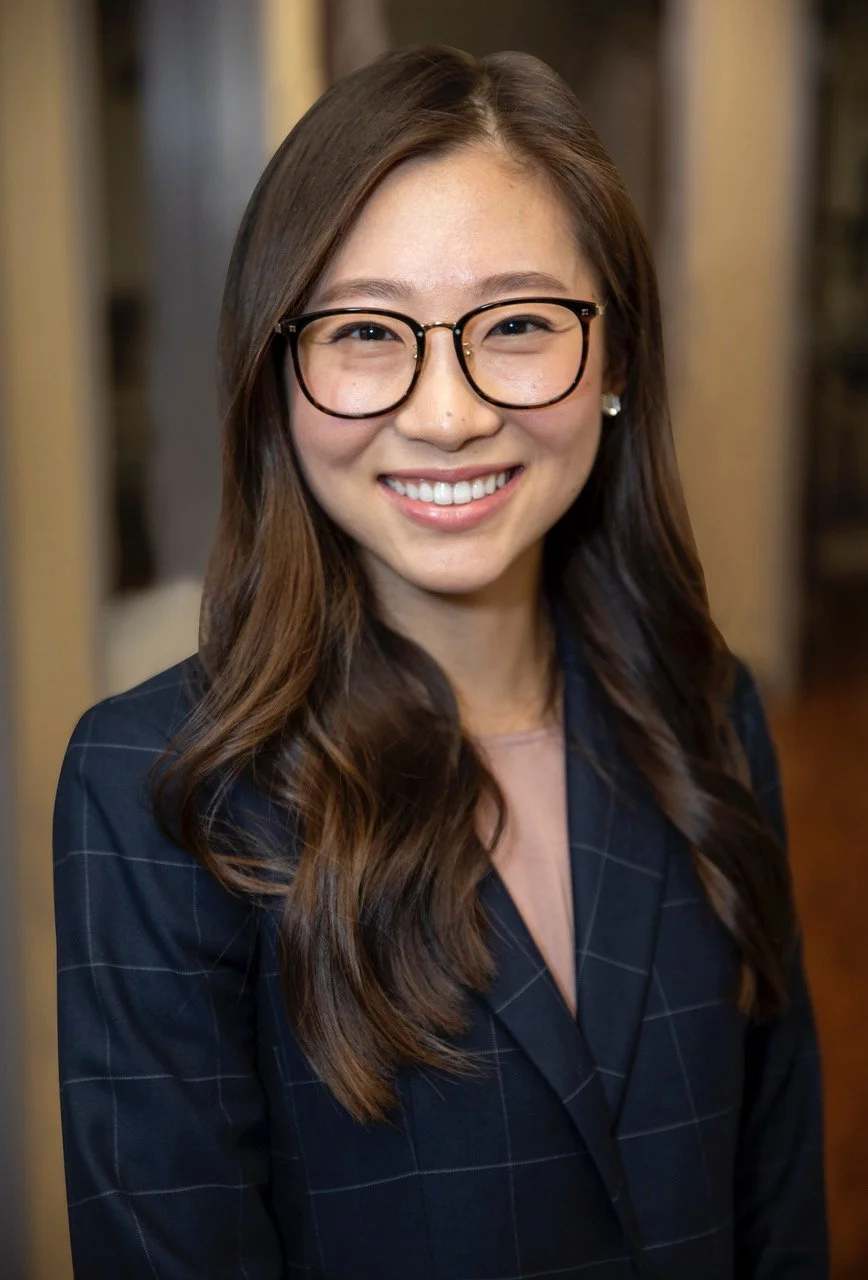
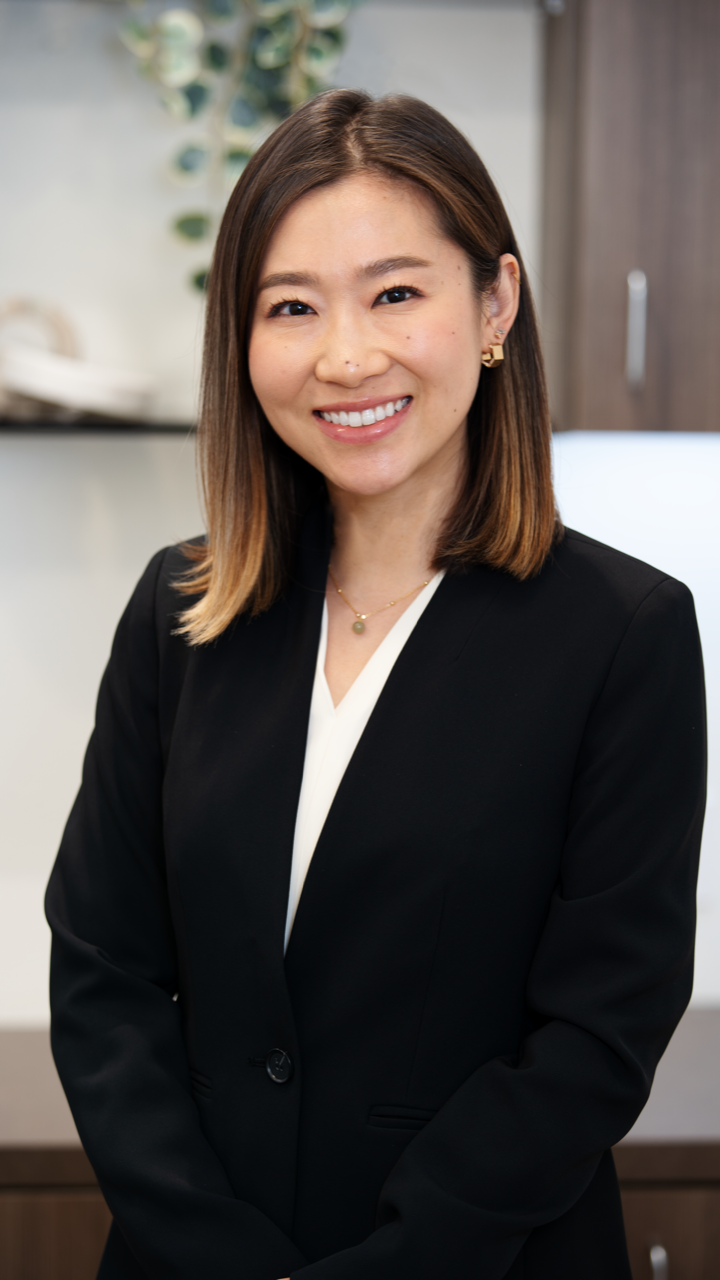
An Interview with Dr. Yao Wang, Neuro-Ophthalmologist & Oculoplastic Surgeon at Eyesthetica
The eyes are among the face’s most expressive and captivating features, communicating emotion, energy, and often something more difficult to define. They are also among the first areas where subtle signs of aging can appear. For those who wish to refresh their appearance, address a functional concern, or simply feel more like the person they recognize within, choosing the right specialist is an important and deeply personal decision.
When considering cosmetic or reconstructive surgery around the eyes, expertise matters. The anatomy of the eyelids, surrounding tissues, and orbital area is exceptionally delicate, making specialized training, precision, and a thoughtful understanding of facial harmony essential. Equally important is finding a surgeon whose philosophy respects individuality and favors results that appear refreshed and natural rather than dramatically altered.
Enter Eyesthetica, a practice specializing in ophthalmic plastic and reconstructive surgery. Its surgeons complete extensive ophthalmology training followed by additional subspecialty education in reconstructive and aesthetic surgery of the eyelids and upper face. Their work encompasses both cosmetic and functional concerns, with treatment plans tailored to each patient’s anatomy, goals, and individual needs.
Eyesthetica’s approach extends beyond the procedure itself. From consultation through recovery and follow-up care, patients are guided through their options, expected outcomes, and healing process. For those traveling from outside the area, the practice also works with nearby luxury hotels, allowing patients to arrange comfortable accommodations during recovery.
To learn more about this highly specialized field—and the intersection of medicine, artistry, individuality, and confidence—EGW Luxury Magazine spoke with Dr. Yao Wang, Neuro-Ophthalmologist and Oculoplastic Surgeon at Eyesthetica.
Dr. Wang earned her medical degree from the University of Michigan Medical School, completed an internship at UCLA, and completed her ophthalmology residency and neuro-ophthalmology fellowship at the University of Minnesota. She later completed an American Society of Ophthalmic Plastic and Reconstructive Surgery fellowship at Cedars-Sinai Medical Center, developing expertise in eyelid, lacrimal, and orbital surgery. Her experience also includes cosmetic procedures around the eye, clinical research, numerous medical publications and presentations, and work in Shanghai that contributed to her perspective on beauty across cultures.
EGW: Your career brings together neuro-ophthalmology, microsurgery, reconstructive medicine, and aesthetics. What first drew you to oculoplastics, and why has this specialty become such a meaningful focus of your work?
Dr. Wang: Oculoplastics is such a specialized field. Many of my patients actually ask me how I ended up here.
I was drawn to oculoplastics through a very personal experience—my mother had thyroid eye disease. Watching her go through the challenges of both the functional and cosmetic effects on her eyes made me realize how much this area affects daily life and self-confidence.
I loved microsurgery, and the precision and attention to detail that ophthalmology—and oculoplastics—requires fascinates me. Every millimeter can make a difference, both for vision and appearance.
Oculoplastics truly is the specialty where I can combine meticulous surgical skill with artistry while helping patients achieve more comfort, function, and confidence. It is an incredibly rewarding field to be a part of. If I were to go back to medical school, I would without a doubt pick oculoplastics again.
EGW: For someone considering cosmetic surgery around the eyes, what do you believe is most important to understand before moving forward?
Dr. Wang: During the initial consultation, we go over many things, but for cosmetic surgery in particular, I believe one of the most important aspects is being very clear about what the patient wants to achieve.
I ask my patients, “What do you want out of the surgery? Is there something that perhaps bothers you that you would like addressed?”
The goal of cosmetic surgery is really to enhance or improve your features. Therefore, discussing expectations is of the utmost importance. If your expectations for surgery are unrealistic or unachievable, you may be disappointed, no matter how skilled the surgeon is or how good your outcome is.
EGW: Oculoplastic surgery encompasses far more than cosmetic enhancement. What types of procedures do you perform at Eyesthetica, and why is specialized knowledge of the eye area so important?
Dr. Wang: We perform surgeries such as upper and lower blepharoplasties, ptosis repair, brow lifts, eyelid skin cancer removal and reconstruction, tear duct surgeries, correction of eyelids that turn inward or outward, and removal of eye socket tumors, just to name a few.
All the surgeons at Eyesthetica are board-certified in ophthalmology and have received two years of dedicated training in oculofacial surgery. We are all certified by the American Society of Ophthalmic Plastic and Reconstructive Surgery.
The anatomy around the eyes and eye socket—or what we call the orbit—is extremely delicate and complex. Therefore, detailed knowledge of this area is extremely important for both reconstructive and cosmetic surgery.
EGW: Eyesthetica places significant emphasis on individualized treatment and continuity of care, from the initial consultation through surgery and recovery. How does that personal approach influence the patient experience?
Dr. Wang: Oculoplastic surgery is a personalized field of medicine, as each procedure is tailored to the aesthetic goals and unique anatomy of the patient. This is also the case for functional concerns such as drooping eyelids or tear duct obstructions, as well as cosmetic procedures such as upper and lower eyelid blepharoplasties or brow lifts.
The goal, again, for every surgery is to enhance and preserve the function of the eyelids and a natural appearance.
Besides understanding the patient’s specific goals during the initial consultation, we discuss exactly which procedures or treatments can address their needs. We discuss what the likely outcomes will be, along with the details of the procedure and aftercare. Additional follow-ups may be necessary depending on the concern.
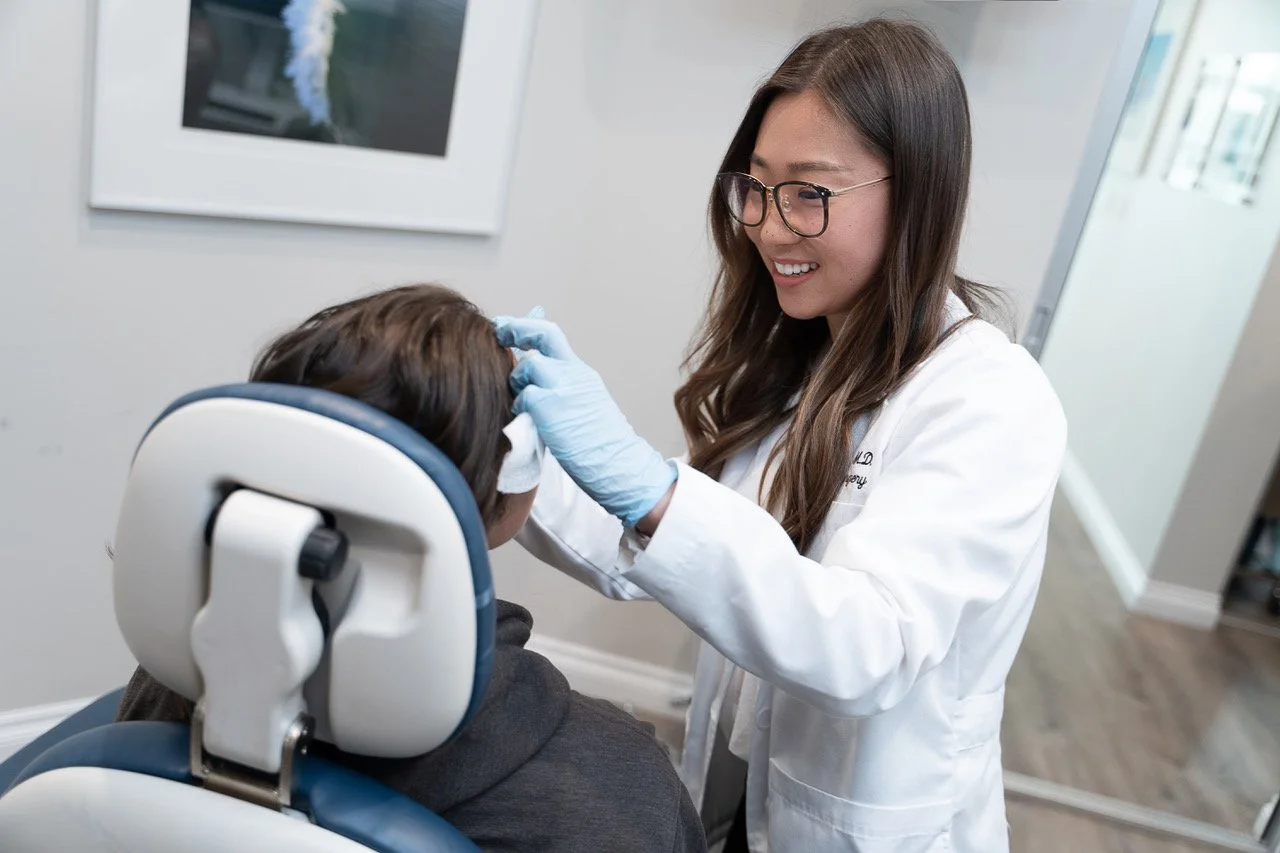
Our dedicated surgery coordinators also go over the logistics of the procedure, where it is performed, your medical history and medications, and aftercare. You’ll also receive phone calls before your surgery to confirm details and answer questions. On the day of surgery, I again go over the exact procedure, what to expect during it, and the aftercare.
I personally call patients the day after the procedure to make sure they’re doing okay. Typically, a one-week follow-up visit will be scheduled, as well as an additional follow-up six to eight weeks after surgery. Additional visits may also be scheduled depending on the particular case.
If there is ever a question or concern, patients are always welcome to contact us, send photos, or come in for a personal evaluation. The healing process is different for everyone and can be a stressful time. If there is ever a question, an Eyesthetica surgeon can be reached 24/7.
EGW: Your experience working in Shanghai gave you a unique perspective on the ways beauty ideals can vary across cultures. Is there one piece of advice about beauty and the eyes that you believe transcends geography or trends?
Dr. Wang: Yes, absolutely. My time in Shanghai showed me how patient expectations and definitions of beauty can vary.
In terms of universal beauty advice, I would say to always place eye health above beauty trends.
Whatever the goals are, it is also important to remember that every eye shape is unique and reflects your individuality and heritage, so we shouldn’t try to chase a single standard of beauty. That way, we can set healthy and realistic expectations.
EGW: Some of the most meaningful work in medicine can arise from the most challenging cases. Is there a patient experience that has stayed with you and reminded you why this work matters?
Dr. Wang: Yes, it’s gratifying, and some of the most moving experiences are with the most difficult cases.
I would like to share a story. A patient came in for a consultation because a previous cosmetic lower eyelid blepharoplasty had pulled down the lower eyelids, resulting in lower eyelid retraction. The patient was distraught, as she felt like what was supposed to be a routine cosmetic surgery had left her disfigured.
These cases can be very challenging, both from the perspective of counseling the patient and determining the surgical techniques needed to improve the outcome. Typically, we also want to wait at least six months from the previous surgery to allow the body to fully heal. This waiting period itself is difficult.
The goal now is to address both the functional and aesthetic concerns. Further, due to previous scar tissue, the surgical outcome is not as predictable.
Fortunately, the patient underwent revision surgery and did very well. The close follow-ups and counseling during each of these stages are crucial, as I must guide the patient during the healing process.
Restoring the comfort around the eyes and rebuilding the patient’s confidence is a powerful reminder of the responsibility and privilege we hold as surgeons.
EGW: What do you believe distinguishes the experience at Eyesthetica and helps patients feel comfortable throughout such a personal process?
Dr. Wang: Teamwork.
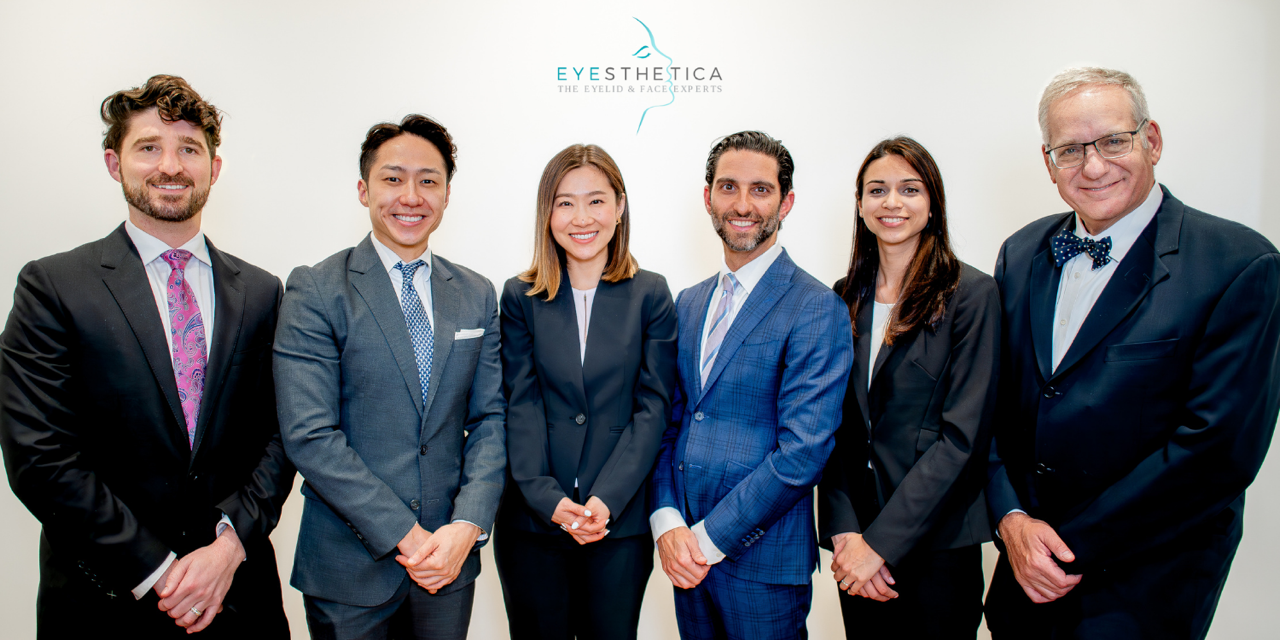
I think what makes our practice special is the individualized approach we take with every patient. Our staff ensures that our clinic is a welcoming, supportive space. They make sure patients feel comfortable and cared for from the first visit.
When we focus on patients and their tailored needs, they feel more confident and at ease throughout the entire process. For me, it’s just as important that people feel heard and supported as it is that they are happy with their results.
EGW: Before we close, is there anything you wish more patients understood when choosing a surgeon or considering a procedure?
Dr. Wang: I believe it’s so important for patients to feel truly comfortable with their surgeon.
This is a very personal decision, and you should never feel rushed or pressured into moving forward until you’re ready. If getting a second opinion helps you feel more confident, I always encourage that—it’s about finding the right fit for you.
A good surgeon will take the time to listen, answer your questions, be honest, and make sure you feel supported at every step.
EGW: How can readers learn more about Eyesthetica or contact the practice?
Dr. Wang: You can easily find us online at eyesthetica.com or give our office a call at (213) 234-1000. Our team will be happy to answer questions and help guide you through the next steps.
EGW: Dr. Wang, thank you for sharing your expertise and for offering such a thoughtful perspective on the intersection of eye health, artistry, individuality, and confidence. Conversations surrounding surgery can understandably feel personal—and sometimes intimidating—and your insight brings both clarity and humanity to an exceptionally specialized field.
Dr. Wang: Thank you so much for having me—it’s been a genuine pleasure talking with you. I really enjoyed sharing my thoughts as an oculoplastic surgeon, and I appreciate the chance to connect and hopefully make this field feel a little more approachable for patients.
Follow Eyesthetica: @eyesthetica
Follow EGW Luxury Magazine: @egwglobalmagazine